The Business of Rebuilding: What Ryan Poles and the Chicago Bears Teach Us About Change Management
When Ryan Poles took over as general manager of the Chicago Bears in January 2022, he inherited a team coming off a 6-11 season with expensive contracts, limited draft capital, and very little flexibility. Four seasons later, the Bears were 11-6, NFC North champions, and had won a playoff game. Whe…
Get the tools behind this post. Free Statyx account, no card needed.
Sign up free Bears Facts
When Ryan Poles took over as general manager of the Chicago Bears in January 2022, he inherited a team coming off a 6-11 season with expensive contracts, limited draft capital, and very little flexibility.
Four seasons later, the Bears were 11-6, NFC North champions, and had won a playoff game.
Whether you're rebuilding an NFL franchise, running a company, or leading a sales organization, the principles of successful change management are similar.
1. Sometimes You Have to Take a Step Back to Move Forward
Poles knew the Bears weren't a few free-agent signings away from competing for a championship.
Instead of trying to fix everything overnight, he made some unpopular decisions.
He traded Khalil Mack and Roquan Smith, two of the team's biggest stars, to create financial flexibility and acquire future draft capital.
The Bears finished 3-14 in 2022.
To most fans, that looked like failure. But Poles understood that rebuilding the right way would take time.
He made it clear from the beginning that this wasn't going to happen overnight.
When a company is struggling, there's always pressure to produce immediate results. Leaders want to show progress, investors want returns, and employees want to know things are improving.
But sometimes the quickest solution isn't the right one.
You have to be willing to make uncomfortable decisions today if they put you in a better position tomorrow.
2. The Best Leaders Know How to Maximize Their Assets
In 2023, the Bears held the No. 1 overall pick.
Instead of using it, Poles traded it to the Panthers for DJ Moore and four draft picks.
One of those picks became the No. 1 overall selection in 2024, which Chicago used to draft Caleb Williams.
Think about that from a business perspective.
Imagine having $10 million to invest.
You could spend it all on one major acquisition, hoping it transforms your company.
Or you could invest in multiple areas that strengthen your business while creating additional opportunities down the road.
That's what Poles did. He didn't simply acquire talent. He increased the number of ways the Bears could improve.
3. Trust the Vision, Not Every Decision
In 2023, Ryan Poles publicly supported Justin Fields and said he would need to be absolutely blown away to replace him.
A year later, Caleb Williams was available, and Poles made the decision to move on.
Then came 2024. The Bears had invested heavily in their roster but finished 5-12.
Instead of abandoning the entire rebuild, Poles recognized that something needed to change.
He moved on from Matt Eberflus and hired Ben Johnson. And the results speak for themselves.
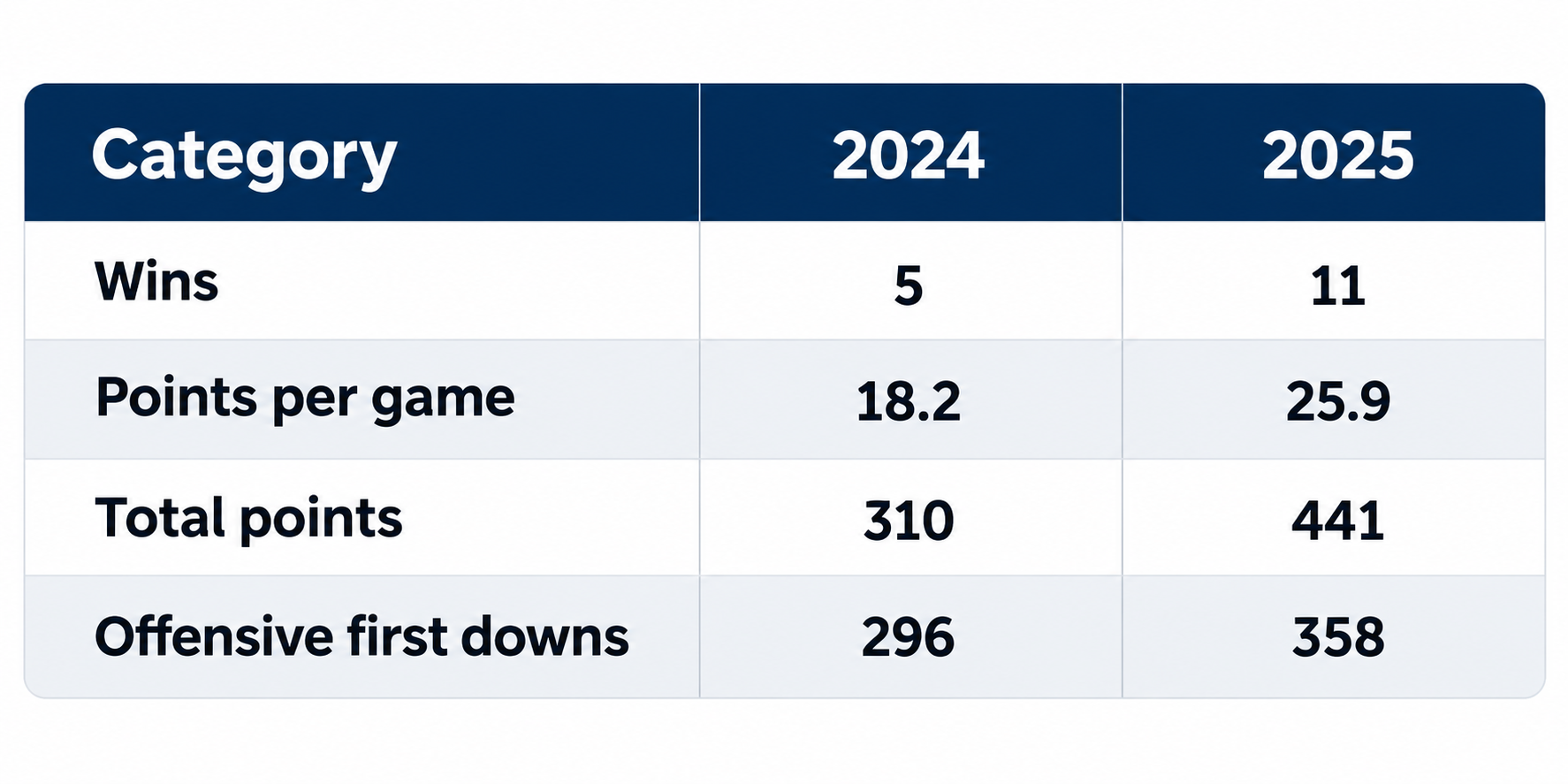
The Bears improved by six wins, increased scoring by 42%, and won the NFC North.
Obviously, Johnson wasn't the only reason. The roster improved, the offensive line was rebuilt, and players continued developing.
But he brought the leadership needed to get more out of the talent already there.
There's a difference between abandoning your vision and changing how you achieve it.
4. Talent Means Nothing Without the Right System
Chicago had already invested the No. 1 overall pick in Caleb Williams.
But instead of expecting Caleb to fix everything himself, Poles invested in the people around him.
He acquired Joe Thuney, Jonah Jackson, Drew Dalman, and drafted Ozzy Trapilo.
The goal was simple. Build an offensive line that gives your franchise quarterback the best opportunity to succeed.
Caleb went on to set the Bears' single-season passing record with 3,942 yards.
Think about how often this happens in business.
A company hires a great employee, gives them poor training, outdated technology, and an inefficient process, then wonders why they aren't performing.
Sometimes the problem isn't the employee. It's the environment they're working in.
You can have all the talent in the world, but if the people around you aren't aligned and the systems aren't built for success, you're limiting what that talent can accomplish.
5. Success Isn't Always a Straight Line
Look at the Bears' records under Poles.
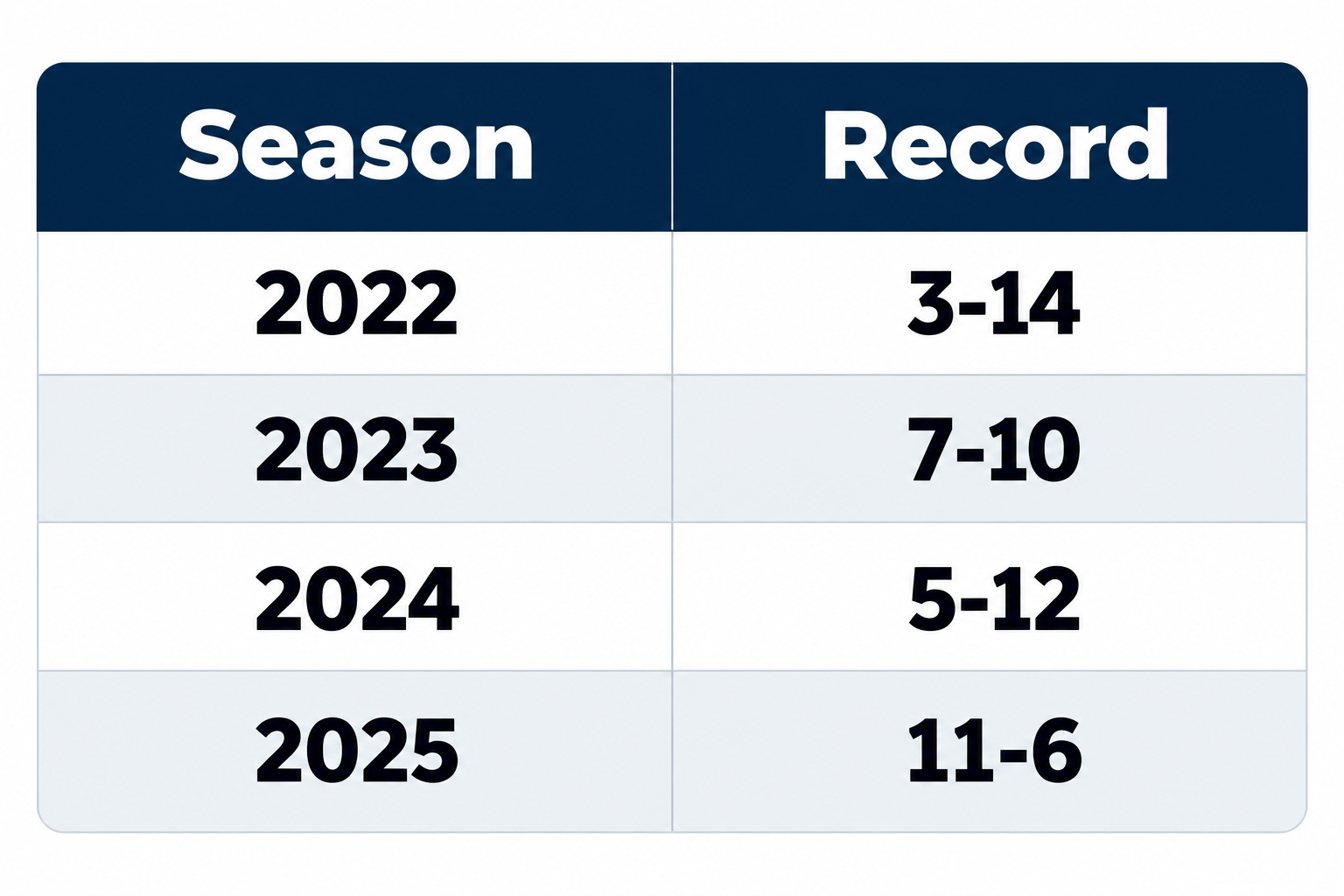
The Bears didn't improve every year. So many people judge a process based on the immediate results, but that's not how long-term success works.
Poles made mistakes. The Chase Claypool trade cost Chicago a valuable second-round pick, and the Eberflus hire didn't work out.
But those mistakes didn't mean the entire vision was wrong. He continued building toward the same goal while making changes along the way.
6. Building a Winner Is Different From Winning Once
The Bears' 2025 season was a huge step forward, but Poles didn't abandon his process. Instead of chasing big names, he focused on fixing weaknesses.
He drafted Dillon Thieneman, who's already playing like one of the NFL's best rookies, and fourth-round pick Malik Muhammad, who's made an immediate impact.
Now? The Bears are 4-2 with one of the NFL's most productive offenses and a defense ranked 6th in scoring and 7th in yards allowed per game.
Winning the NFC North once was never the goal. Building a team that can compete every year was. That's what separates short-term success from sustainable success. Whether it's football or business, the goal isn't one great season or one great quarter. It's building something that can keep winning for years to come.
Published for research and entertainment purposes. Not betting advice.




Discussion
Sign in to join the discussion.
Loading comments…